Introduction
At Mosaic Learning Academy, we want every child to do their best. We have a creative way of teaching that includes having two grades in one classroom. This is called a dual-grade classroom and it’s great for helping kids do well in many ways, especially in schools for kindergarten to grade 8.
A dual-grade classroom means students from two grades are in the same class. More schools are using this idea because it has many advantages. Dual-grade classrooms are good because they let teachers customize lessons for everyone, and they help kids improve their social skills.
Being successful in school isn’t just about getting good grades. It’s also about having good social skills, being involved, and being ready for the future. In this blog, we will explain why having two grades in one class is good for kids’ success.
Reason 1: Lessons for Everyone
- Personalized Learning: Teachers can adjust lessons to fit different skill levels, helping each student learn at their own speed. This helps everyone understand the lessons better.
- Increased Engagement: Teachers use fun and exciting ways to teach, which makes it easier for students of different ages to learn and enjoy school.
- Opportunity for Peer Teaching: Older students can help younger ones, which helps them both learn better. This creates a friendly and supportive classroom.
- Varied Instructional Approaches: Teachers use different ways to teach, which helps meet the needs of different learners.
- Age-Appropriate Challenges: Students have challenges that fit their age, making it fun and satisfying to achieve goals.
Reason 2: Better Social Skills
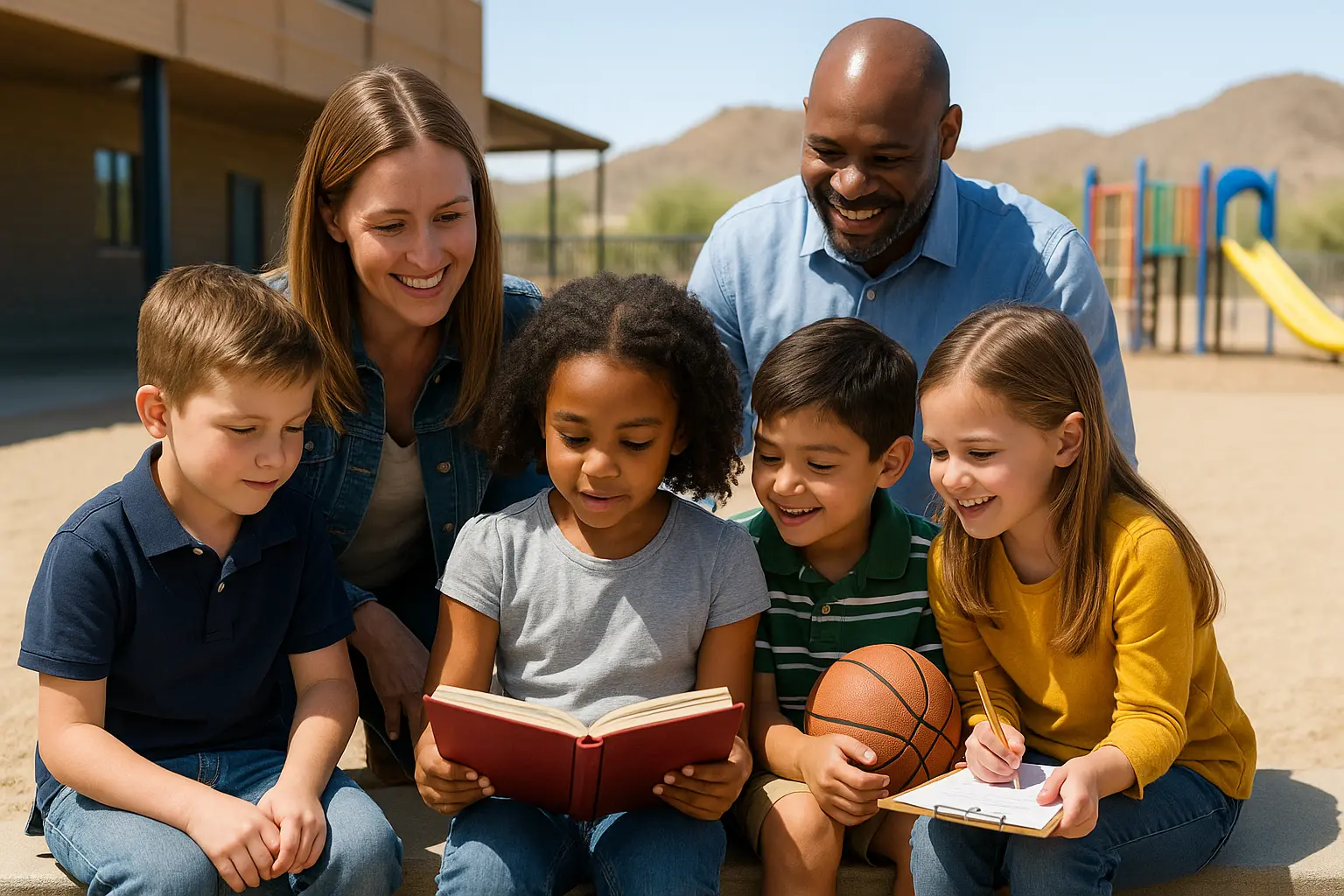
- Collaboration Among Age Groups: Students learn to work together and communicate with others of different ages.
- Conflict Resolution: Students learn to solve problems and disagreements better by interacting with kids of different ages.
- Building Empathy: They learn about different viewpoints and backgrounds, which makes them kinder and more understanding.
- Strengthened Leadership: Older students often become leaders, helping younger ones, which makes them better leaders.
- Real-world Social Interactions: The interactions in these classrooms are like real life, getting students ready for the future.
Reason 3: Independence and Responsibility
- Self-directed Learning: Kids take charge of their own learning, which helps them become more independent.
- Classroom Jobs and Responsibilities: Giving kids jobs that fit their age helps them learn to manage time and be responsible.
- Cross-age Collaboration: Working with different ages teaches respect and responsibility.
- Developing Critical Thinking: Different interactions encourage kids to think hard and come up with creative solutions.
- Encouraged Decision-Making: Kids learn to make good choices and help make decisions in the classroom.
Reason 4: Strong Relationships with Teachers
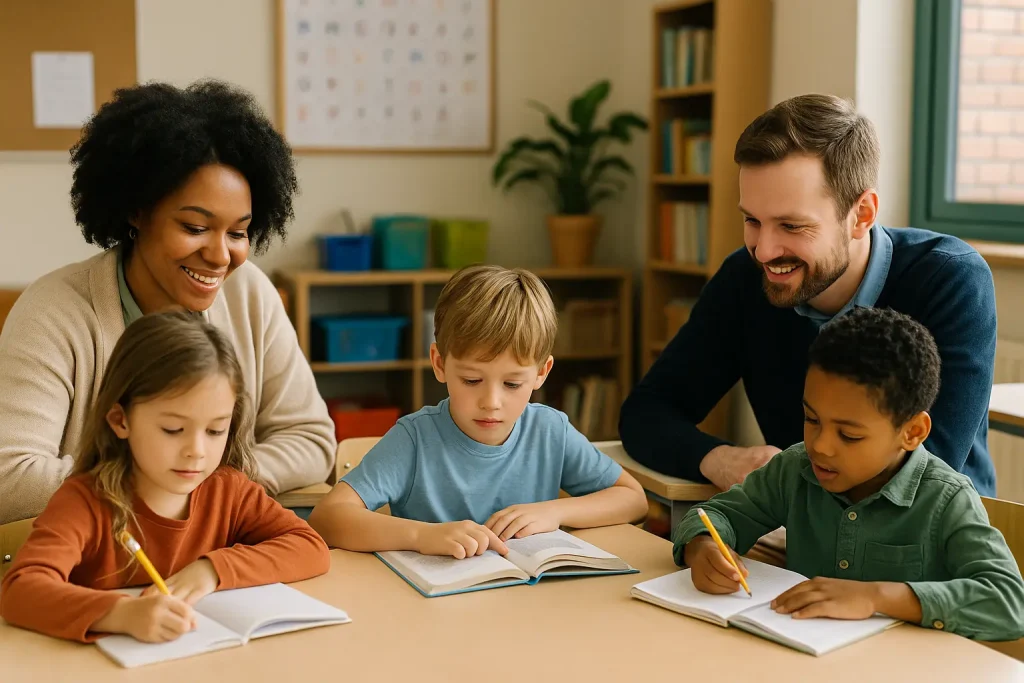
- Increased Time for Individual Attention: Teachers can spend more time with each student, helping them understand better.
- Building Trust: Longer-term relationships create a safe and trusting learning environment.
- Effective Communication: Teachers and students talk openly, which makes classes better and more interesting.
- Familiarity with Learning Styles: Teachers learn how each student learns best and adjust to meet their needs.
- Consistent Mentorship: Students can have the same mentor for more years, which helps them a lot.
Reason 5: More Learning Opportunities
- Integrated Learning Opportunities: Students learn about different subjects together, making connections in their learning.
- Diverse Materials and Resources: They have materials that fit both their grade levels, encouraging deeper understanding.
- Preparing for Future Academic Challenges: They learn things that get them ready for tougher subjects in the future.
- Developmentally Appropriate Learning: The lessons fit what each student needs for their learning and growth.
- Encouraging Curiosity: A wide variety of subjects encourages students to ask questions and learn more.
Conclusion
At Mosaic Learning Academy, having two grades in one classroom is more than just a new way of teaching. It helps kids become lifelong learners. By teaching in a way that fits everyone and building important skills, independence, and good relationships, we help kids become successful.
We invite teachers and parents to think more about dual-grade classrooms. Let us know what you think in the comments below!
Additional Resources
For more learning, check out these books and articles:
- “The Power of Peer Learning: Changing Schools Community and Emotional Development” by Alan E. Schoenfeld.
- “Collaborative Learning in Elementary Schools” by Dr. Sarah Macquarie.
- “Tailoring Instruction to a Mixed-Grade Classroom: Best Practices” (Journal Article).
Keep learning about how Mosaic Learning Academy will help your child grow. We are opening in 2026, and we are excited to start this journey together!